What is Red Light Therapy?
Aug 24,2024 | ClinicPBM
Red light therapy is a non-invasive treatment that uses low levels of red and near-infrared (NIR) light to support your body at the cellular level. It is also called photobiomodulation (PBM). Unlike the UV rays in sunlight, red and near-infrared light are gentle wavelengths that your cells can absorb and turn into usable energy. This guide explains what red light therapy is, how it works, what the research shows, and how to use it safely.
How Does Red Light Therapy Work?
Every cell in your body contains mitochondria — tiny structures that produce energy called ATP. When red and near-infrared light reaches your cells, the mitochondria absorb it and make energy more efficiently. More cellular energy helps your body repair tissue, calm inflammation, and recover faster.
Two things decide how well this works: the wavelength of the light and how deep it travels. Red light (about 630–660 nm) works on the surface, such as the skin. Near-infrared light (about 810–850 nm) reaches deeper into muscle and joints. Learn more about how red and near-infrared wavelengths work, and why the specific wavelengths used in red light therapy matter for results.
Most home devices use LEDs to deliver this light. LEDs are safe, affordable, and cover a wide area. If you are comparing options, see our breakdown of how LED therapy differs from laser therapy.
Key Benefits of Red Light Therapy
Research on red light therapy has grown quickly. It is not a cure-all, but studies point to several areas where it can help. The most common uses include:
- Skin health: supports collagen, skin tone, and the look of fine lines and blemishes.
- Joint and muscle comfort: may ease stiffness and soreness. See how it can help with arthritis and joint pain and with chronic pain relief.
- Hair regrowth: low-level light may stimulate follicles. Read whether it works for different causes of hair loss.
- Recovery and performance: active people use it to bounce back after training. Learn how it supports muscle recovery for cyclists and athletes.
- Emerging research: early studies are exploring red light for blood-sugar and metabolic health and for cognitive health and Alzheimer's.
For the full picture, explore the complete range of red light therapy benefits and applications.
Is Red Light Therapy Safe?
For most people, red light therapy is very safe. It is non-invasive, uses no UV, and does not burn the skin at normal doses. Side effects are rare and usually mild, such as brief eye strain if you look straight at the LEDs.
A common question is about electromagnetic fields. Quality devices keep this low. Here is what you need to know about the EMF safety of red light devices.
If you are pregnant, take light-sensitizing medication, or manage a medical condition, check with your doctor first.
How to Choose a Red Light Therapy Device
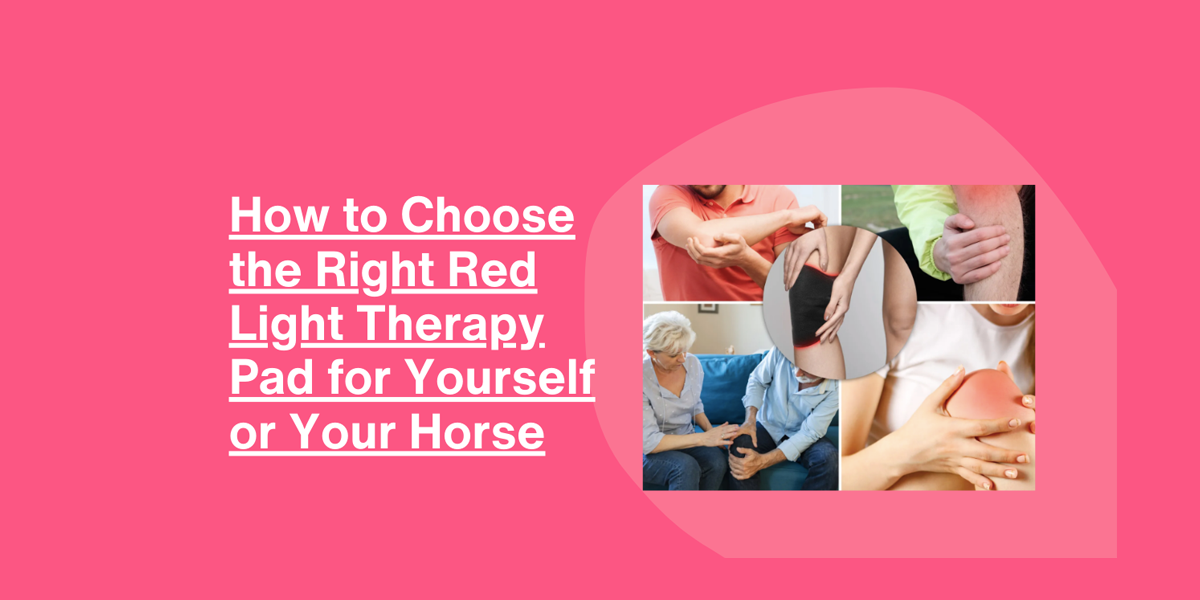
When choosing a device, look at four things: the wavelengths it offers (ideally both red and near-infrared), the power output (irradiance), the size of the treatment area, and independent safety testing. Match the device to your goal — a compact panel or wrap for one area, or a larger panel for full-body sessions.
Browse our range of red light therapy devices for the body to find the right fit.
Frequently Asked Questions
What is red light therapy used for?
It is used to support skin health, ease joint and muscle discomfort, aid recovery, and encourage hair regrowth. Research into further uses is ongoing.
How long does red light therapy take to work?
Most people use it for 10–20 minutes per session, a few times a week. Many notice results after several weeks of consistent use.
Is red light therapy safe to use every day?
Yes. Daily use is generally safe at standard doses, and a consistent routine often improves results.
Does red light therapy have side effects?
Side effects are rare and usually mild. Avoid looking directly into the LEDs and follow the recommended session times.
Comment