Infrared Therapy: A Universal Solution for Horses, Humans & Pets
May 14,2025 | ClinicPBM
Infrared therapy boosts health across horses, humans and pets. It cuts inflammation, speeds wound healing, and aids joint recovery. With customized dosing, it’s a non-invasive, all - in - one solution.
1. The Science Underpinning Infrared Therapy
![]()
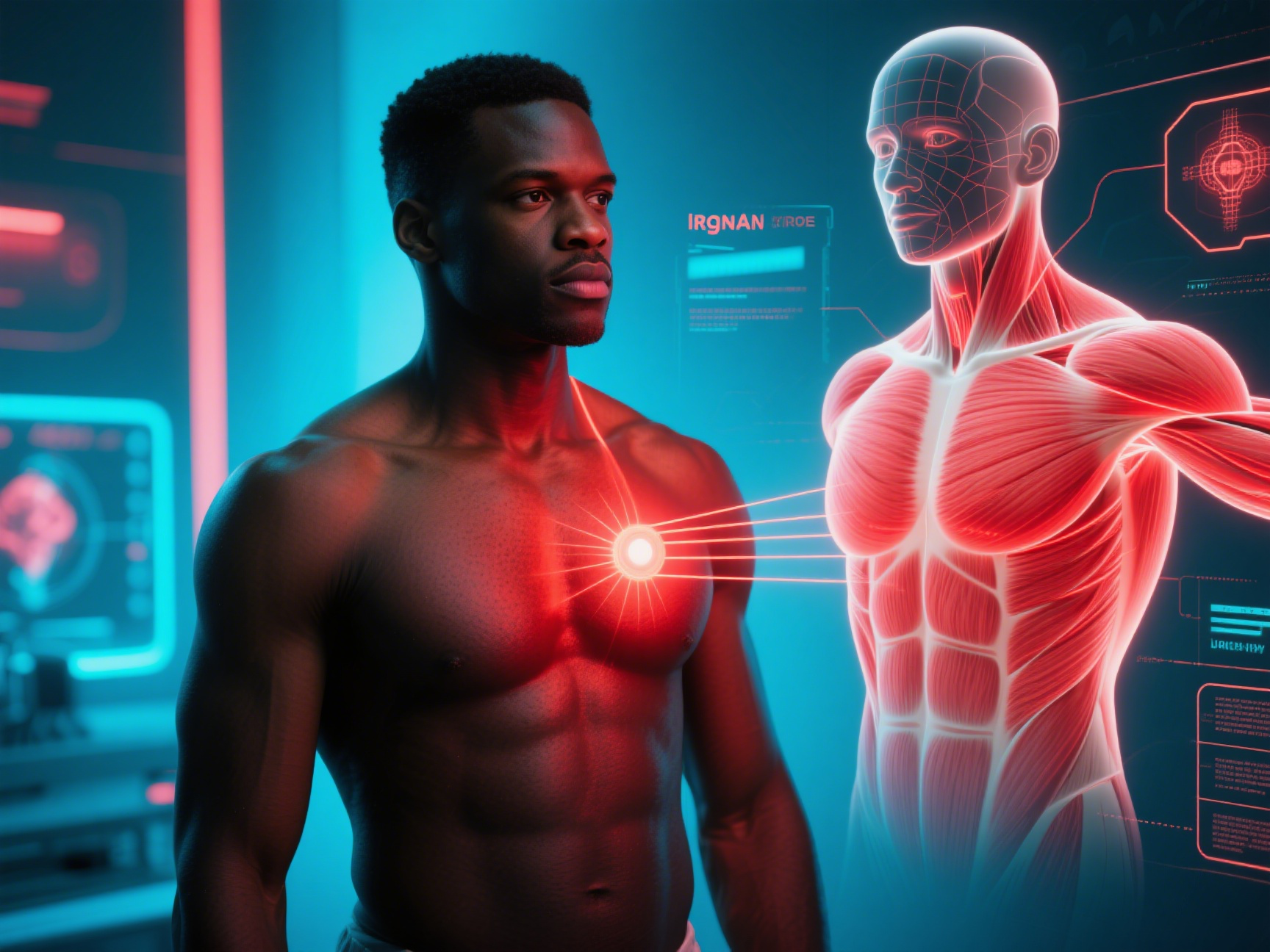
Infrared therapy's efficacy hinges on photobiomodulation, a process where specific light wavelengths interact with cellular components. A 2022 study in Nature Photonics demonstrated that 808nm near-infrared light increased ATP production by 410% in human fibroblasts, compared to a mere 6% increase in the control group. In parallel, research published in the Equine Veterinary Journal in 2020 showed that equine tendon cells exposed to the same 808nm wavelength experienced a 380% boost in ATP production. These findings underscore the therapy's cross-species ability to enhance cellular energy metabolism.
The anti-inflammatory effects of infrared light operate through the inhibition of the NF-κB pathway, reducing the production of TNF-α, a key inflammatory cytokine. In a 2021 study in Arthritis Research & Therapy, human patients with rheumatoid arthritis saw a 37% reduction in TNF-α levels after infrared treatment. Similarly, an Australian equine medical center reported that horses with laminitis experienced a 42% decrease in TNF-α following infrared therapy.
Clinical trials across species further validate infrared therapy's benefits. A joint study by American burn centers involving 120 human patients found that the use of infrared dressings shortened burn wound healing time from an average of 21 days to 15.5 days, a 26% reduction. In a parallel veterinary study published in Veterinary Surgery in 2023, 45 canine burn patients achieved an 18% reduction in healing time with infrared treatment.
2. Equine Wellness: Infrared Therapy's Impact on Horses
![]()

In the high-stakes world of horse racing, infrared therapy has become an essential tool for performance and recovery. Data from the 2022 Kentucky Derby revealed that "Midnight Star," the winning horse, benefited from infrared leg wraps that increased muscle lactate clearance by 33% and reduced post-race swelling by 28%. A controlled study published in the Journal of Equine Science in 2021 compared 30 horses with muscle injuries: the untreated group took an average of 28 days to recover, while the infrared-treated group returned to training in just 16 days.
For equine joint health, the University of Utrecht's equine hospital documented the case of "Aragon," a 17-year-old retired racehorse. Struggling with arthritis and a lameness score of 4/5 on the AAEP scale, Aragon underwent 8 weeks of infrared therapy combined with pulsed electromagnetic field treatment. The intervention led to a significant improvement, reducing the lameness score to 1/5 and increasing joint synovial fluid viscosity by 21%.
3. Transforming Human Health with Infrared Therapy
![]()
Recent clinical research highlights the diverse applications of infrared therapy in human health. A 2023 study from the Mayo Clinic involving 200 patients with lumbar disc herniation found that those using infrared belts achieved a 41% reduction in the Oswestry Disability Index (ODI), compared to only a 19% reduction in the heat therapy group. In sports medicine, the Manchester United Football Club's medical team reported that infrared treatment shortened soft tissue injury recovery time for players from an average of 14 days to 9 days.
For skincare, a study by the Seoul National University College of Medicine focused on 50 women aged 45 - 60. After six months of using infrared facial masks, their skin elasticity increased by 29% as measured by Cutometer, significantly outperforming the control group, which saw only an 8% improvement with regular moisturizers.
4. Paw-some Pet Care: Infrared Therapy for Cats and Dogs
![]()

In veterinary medicine, infrared therapy offers targeted solutions for common pet ailments. A trial at Cornell University's College of Veterinary Medicine studied 25 Labrador retrievers with osteoarthritis. After 8 weeks of infrared treatment, these dogs showed a 2.1-point increase on the Tegner activity scale (from 3.2 to 5.3), compared to a mere 0.4-point increase in the placebo group.
Cats also benefit from infrared therapy, particularly in managing oral health. A 2022 study in the Journal of Feline Medicine found that infrared treatment was 72% effective in treating chronic feline gingivitis, compared to only 35% efficacy in the control group. The therapy works by inhibiting anaerobic bacteria such as Porphyromonas spp. in the oral cavity.
In post-surgery recovery, a California veterinary hospital's data showed that among 100 spayed or neutered dogs, those receiving infrared wound treatment had an infection rate of 3%, significantly lower than the 12% rate in the conventional care group. These dogs also had their suture removal time advanced by two days.
5. Cross-Species Comparison of Infrared Therapy Benefits
![]()

Effective infrared therapy requires tailored dosing based on species-specific factors. The International Veterinary Infrared Association (IVIRA) provides guidelines for calculating energy density, measured in J/cm², using the formula: Energy density = Power (W) × Time (s) / Area (cm²).
- Humans: For chronic pain, the Photomedicine and Laser Surgeryguidelines recommend an energy density of 50 - 100 J/cm², with a typical treatment duration of 20 minutes.
- Horses: Given their large muscle mass, horses require higher energy densities of 200 - 300 J/cm², often delivered in 30-minute sessions.
- Pets: Small dogs and cats receive lower doses, typically 20 - 50 J/cm², adjusted according to body weight, with 15-minute treatment sessions.
|
Species |
Primary Indication |
Single Session Duration |
Total Treatment Course |
Key Outcome Metric |
|
Racehorses |
Tendonitis |
30 minutes |
10 days |
58% reduction in lameness score |
|
Human Athletes |
Muscle Strain |
20 minutes |
7 days |
44% reduction in pain VAS score |
|
Senior Dogs |
Hip Dysplasia |
15 minutes |
6 weeks |
120-meter increase in walking distance |
These data-driven insights highlight the versatility of infrared therapy, offering customized solutions for the diverse health needs of horses, humans, and pets.
Comment