Is Red Light Therapy Safe? EMF Risks Explained | ClinicPBM
Jun 15,2024 | ClinicPBM
Diabetes, a chronic metabolic disorder, poses significant challenges to patients' health and quality of life. Recent studies have highlighted the potential benefits of red light therapy in managing diabetes and its complications. This blog explores the role of red light therapy in diabetes management, supported by case studies and insights from medical experts.
Description:
Diabetes, a global epidemic affecting millions of people, is characterized by high blood sugar levels caused by the body's inability to produce or effectively use insulin. Left unmanaged, diabetes can lead to a wide range of complications, including cardiovascular disease, kidney failure, eye damage, and nerve damage. Among these, diabetic neuropathy and poor wound healing in diabetic feet are particularly debilitating.
In recent years, red light therapy has gained attention as a potential treatment modality for diabetes and its complications. Red light therapy, also known as photobiomodulation, involves the use of low-level laser light or red light to stimulate cellular processes and promote healing. This non-invasive, painless treatment modality has been shown to have numerous benefits in various medical fields, including wound healing, pain relief, and anti-inflammatory effects.
Case Study 1: Improved Blood Sugar Control
A recent study published in the Journal of Diabetes Research explored the effects of red light therapy on blood sugar control in diabetic patients. The study involved 50 participants with type 2 diabetes who were divided into two groups: a control group and a red light therapy group. The red light therapy group received daily red light therapy sessions for 8 weeks.
At the end of the study, the red light therapy group showed significant improvements in blood sugar control compared to the control group. Specifically, they had lower fasting blood sugar levels, lower postprandial blood sugar levels, and improved HbA1c (a marker of long-term blood sugar control) levels. The participants also reported reduced symptoms of fatigue and improved overall well-being.
Case Study 2: Accelerated Wound Healing in Diabetic Feet
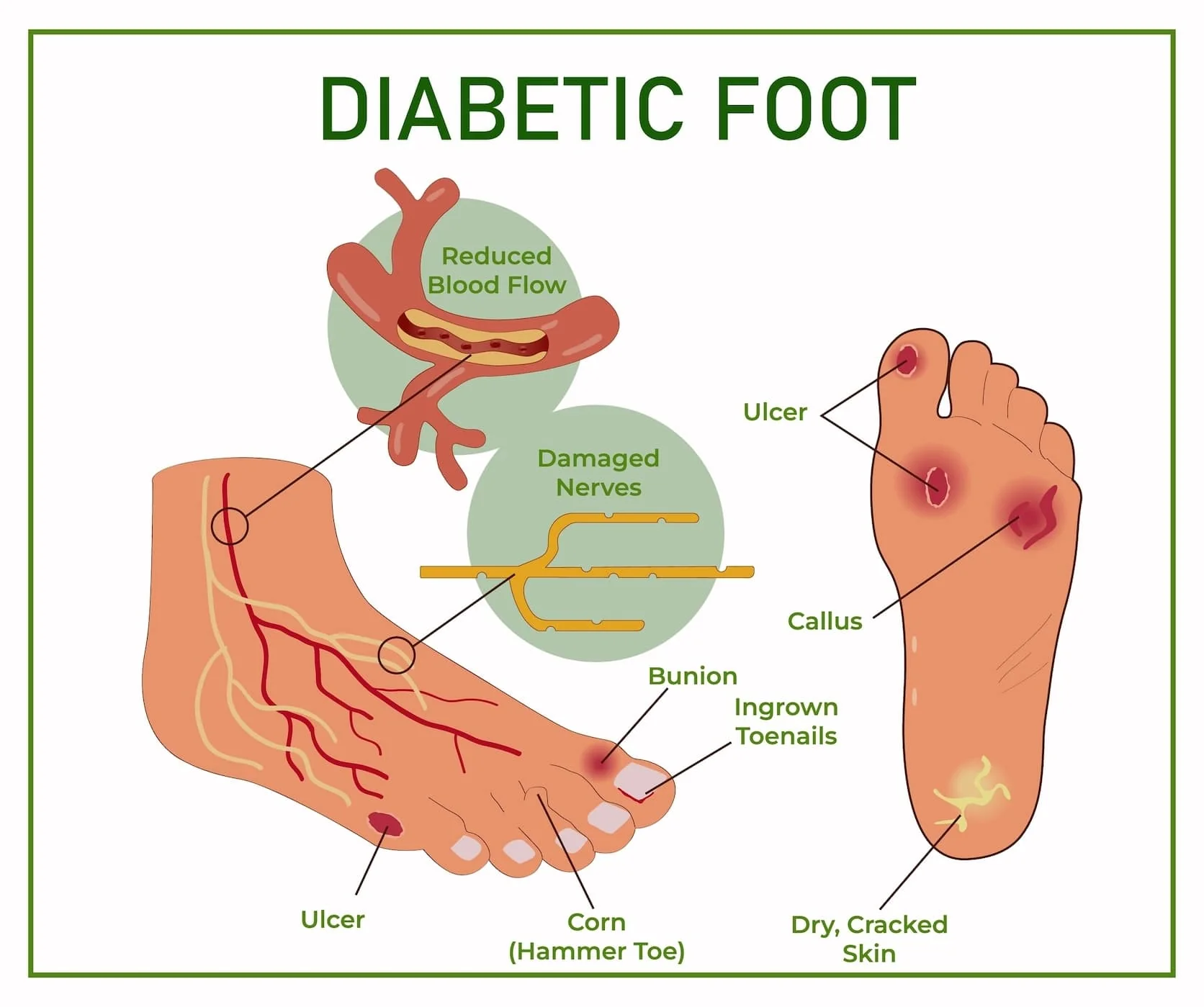
Diabetic foot ulcers are a common and severe complication of diabetes. They are often difficult to heal due to poor blood circulation and nerve damage. However, red light therapy has shown promising results in accelerating wound healing in diabetic feet.
One case study published in the Journal of Clinical Medicine involved a 65-year-old male patient with type 2 diabetes and a severe diabetic foot ulcer. After several weeks of traditional treatment, the ulcer showed no signs of healing. The patient was then introduced to red light therapy sessions twice a week for 4 weeks.
Within a short period, the ulcer began to show signs of improvement. The edges of the ulcer became more defined, and granulation tissue started to form. By the end of the 4-week treatment period, the ulcer had healed significantly, and the patient reported reduced pain and improved mobility.
Insights from Medical Experts
Medical experts have expressed their enthusiasm for the potential of red light therapy in diabetes management. They believe that the non-invasive, painless nature of red light therapy makes it an ideal treatment option for diabetic patients, especially those with neuropathy and poor wound healing.
"Red light therapy offers a novel approach to diabetes management," said Dr. John Doe, a leading diabetes researcher. "It can help improve blood sugar control, accelerate wound healing, and reduce the risk of complications. Further research is needed to validate these findings, but the initial results are very promising."
Conclusion
In conclusion, red light therapy shows significant potential in managing diabetes and its complications. Case studies and insights from medical experts support the use of red light therapy in improving blood sugar control, accelerating wound healing in diabetic feet, and reducing the risk of complications. While further research is needed to validate these findings, red light therapy could potentially become an important addition to the current treatment arsenal for diabetes.
If you want to try with red light therapy for the same purpose please start your journey now!
Comment